Threat Modelling
Identify and prioritize potential threats before they become vulnerabilities





Proactive Security Through Threat Modelling
Threat modelling is a structured approach to identifying, quantifying, and addressing security risks associated with your application. In 2025, with cyber threats becoming increasingly sophisticated, proactive threat identification is essential. Our threat modelling services help you understand potential attack vectors, prioritize security investments, and build security into your development lifecycle from the ground up.
Threat Modelling Assessment Types

Application Threat Modelling
Analyze your application architecture to identify potential security weaknesses, data exposure risks, and attack surfaces before development begins.

Infrastructure Threat Modelling
Evaluate your cloud and on-premise infrastructure for security risks, misconfigurations, and potential breach scenarios.
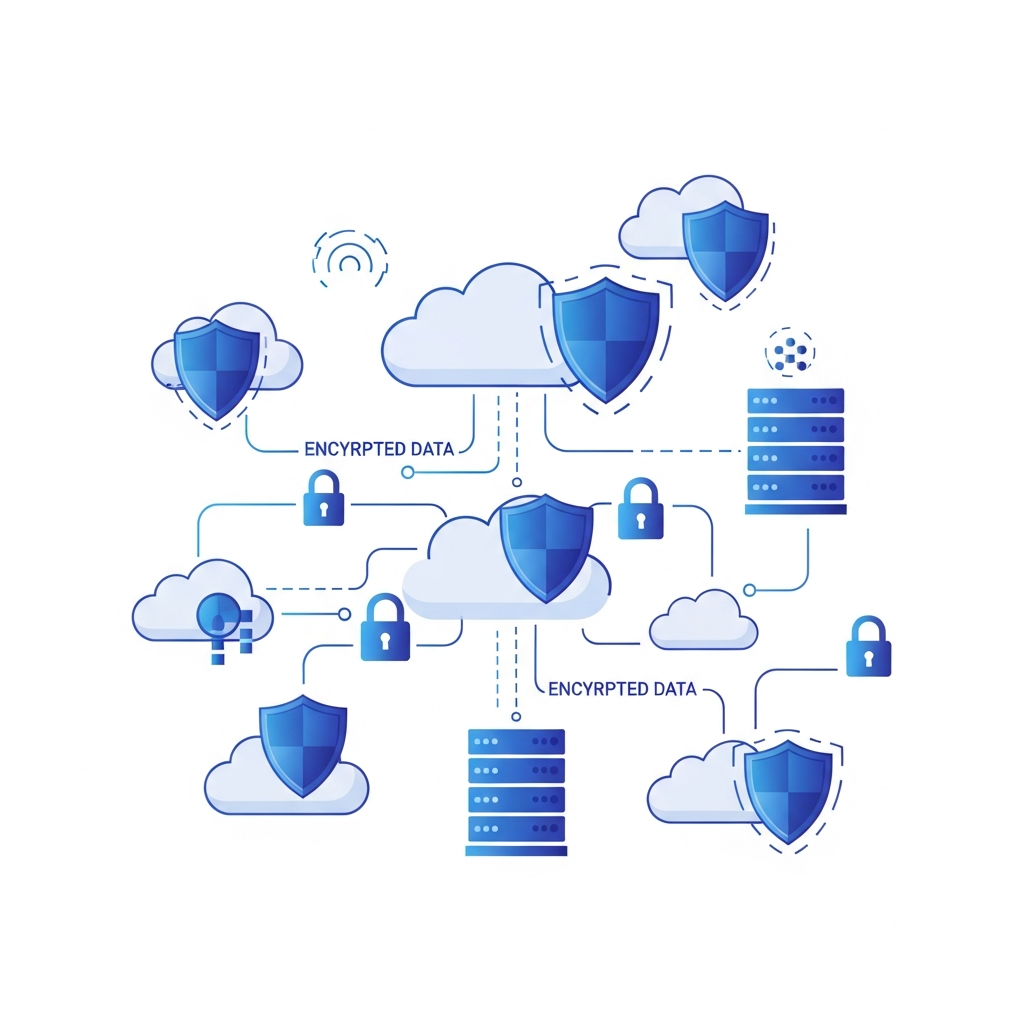
API Threat Modelling
Map API attack surfaces, identify authentication weaknesses, and analyze data flow security for your API ecosystem.
How it works?
Our Threat Modelling Methodology
We follow industry-standard frameworks including STRIDE, PASTA, and DREAD to systematically identify and analyze threats to your applications and infrastructure.
Asset Identification
Identify and catalog all assets, data flows, and trust boundaries within your application ecosystem.
Threat Identification
Use STRIDE methodology to identify Spoofing, Tampering, Repudiation, Information Disclosure, DoS, and Elevation of Privilege threats.
Risk Assessment
Evaluate each threat using DREAD scoring (Damage, Reproducibility, Exploitability, Affected Users, Discoverability).
Mitigation Planning
Develop prioritized countermeasures and security controls for identified threats.
Documentation
Create comprehensive threat models and security documentation for ongoing reference.
Threats We Model Using STRIDE Framework
Spoofing Identity
Tampering with Data
Repudiation
Information Disclosure
Denial of Service
Elevation of Privilege
Insecure Data Storage
Weak Authentication
Insufficient Input Validation
Insecure Communication
Privacy Violations
Business Logic Flaws
What you can expect from us

Comprehensive Threat Analysis
Complete analysis of all potential threats using industry-standard frameworks like STRIDE and PASTA.

Visual Attack Trees
Detailed attack tree diagrams showing potential attack paths and their relationships.

Risk Prioritization Matrix
Clear prioritization of threats based on impact and likelihood using DREAD scoring.

Actionable Mitigations
Specific, implementable security controls and countermeasures for each identified threat.

Integration with SDLC
Guidance on incorporating threat modelling into your development lifecycle for continuous security.
Do you know?
85%
of security vulnerabilities in 2025 could have been prevented with proper threat modelling during design phase.
60%
reduction in security remediation costs when threats are identified early in the development cycle.
3x
faster vulnerability resolution when threat models are maintained and updated regularly.
Get more with Digital Defense

Early Risk Detection
Identify security risks during design phase, reducing costly late-stage fixes.

Prioritized Security
Focus security investments on the most critical threats to your business.

Compliance Support
Meet regulatory requirements for risk assessment and security documentation.
Team Alignment
Create shared understanding of security risks across development and security teams.